AN ANALYSIS ON THE SHORT FILM "THE CENTRIFUGE BRAIN". DIRECTOR:TILL NOWAK
REVIEWED BY:MICHAELLA TEYI -BFAMPP28024

Meaning of the centrifuge Brain Project: "The Centrifuge Brain Project” is a short mockumentary film that looks and sounds like a real science documentary—but it’s actually fictional and a bit humorous.

"The Centrifuge Brain Project" is a unique and mind-bending short film that makes you feel a mix of curiosity, amusement, and disbelief. Right from the beginning, it pulls you in with its serious tone and scientific language, even though the visuals are clearly exaggerated and surreal. The story is presented as a documentary about a scientist experimenting with amusement park rides to improve human brain power. The central message seems to be a playful commentary on the fine line between genius and madness, and how far science is willing to go in the name of progress. The twist is that everything is fake, but it’s delivered in such a believable way that you’re almost tricked into thinking it could be real.
The only main character is Dr. Nick Laslowicz, played by Leslie Barany, who delivers a strong performance with a calm, intelligent tone that makes the absurd things he says sound logical. His character is very well developed, he appears passionate, sincere, and completely convinced of the importance of his work. Because there aren't many characters, the focus stays on him, and he stands out by the way he explains bizarre concepts so seriously. The relationships in the film are not between people, but between the viewer and the character’s strange world we are drawn into his perspective even if we don’t agree with it.
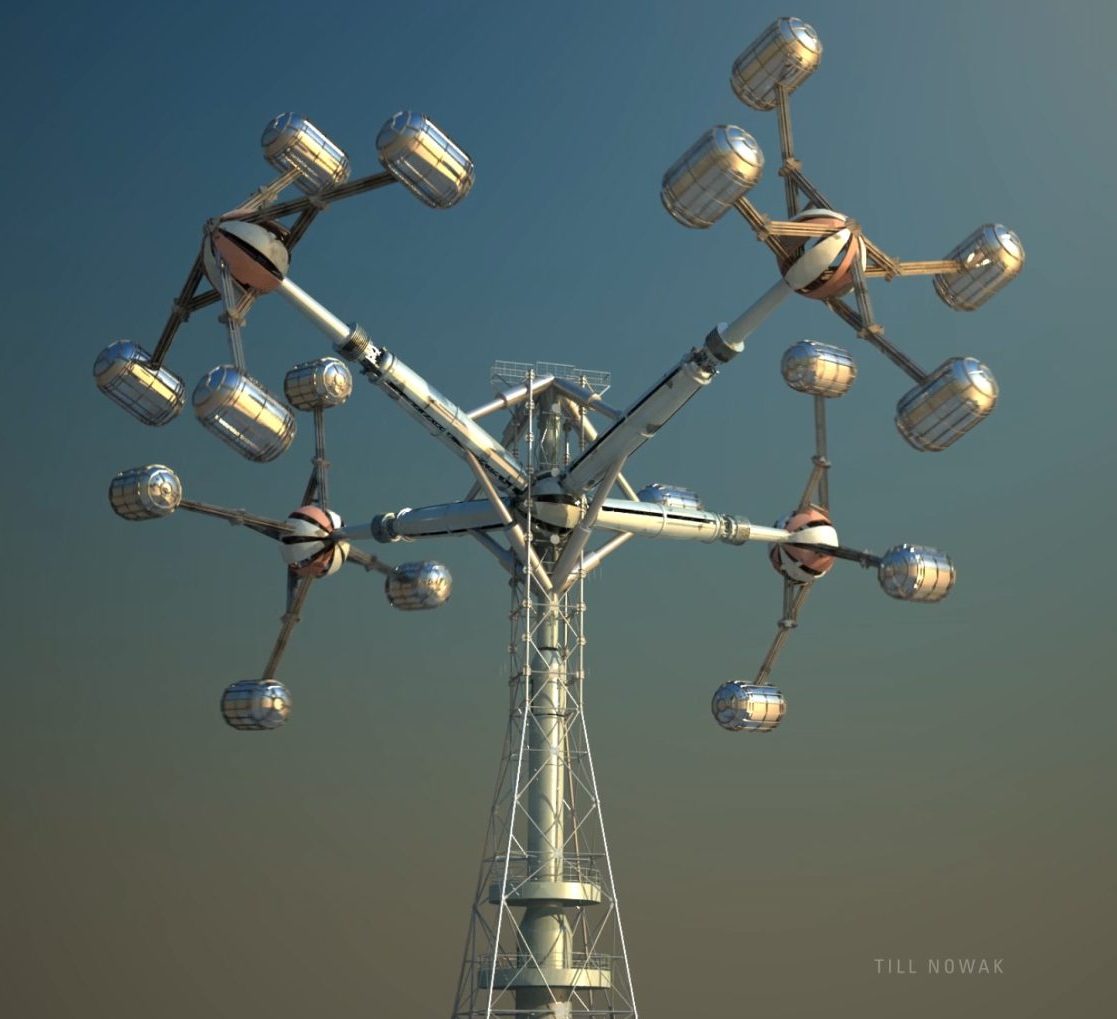
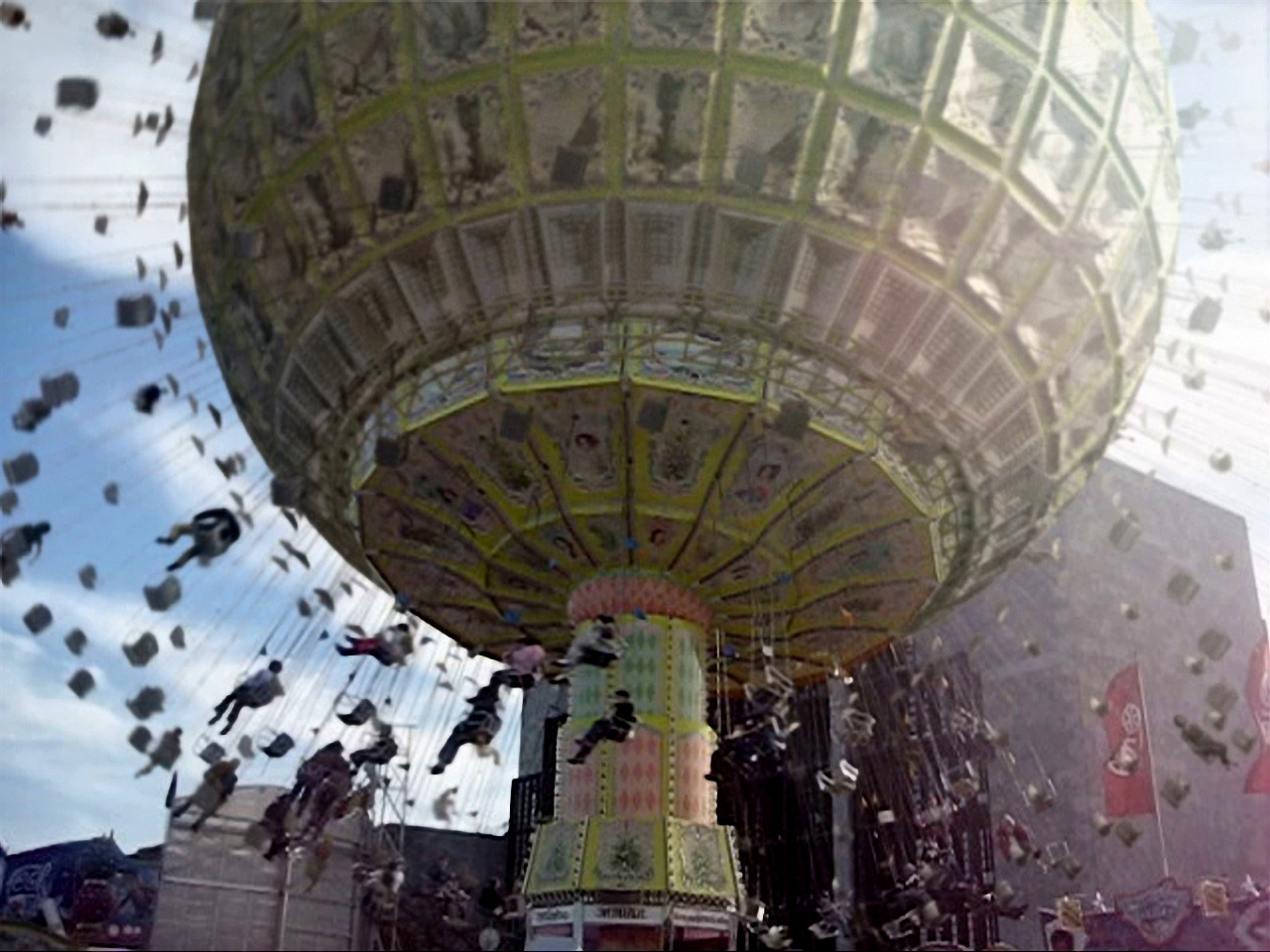
Visually, the cinematography is clean and polished, using a documentary style to sell the illusion. The shots of the fictional amusement park rides are especially eye catching. The film cleverly uses visual effects to make impossible rides look real, which makes it both funny and impressive. The lighting and color are realistic, which helps keep the tone grounded even when the visuals are outrageous. It’s this contrast that makes the film feel so smart and original. It looks real, but it’s not.
The music and sound also play a big role. The calm, electronic soundtrack by Siriusmo adds to the scientific mood, helping to sell the mockumentary tone. The voiceover is clear and steady, and the sound design is subtle but effective, you hear wind, machine sounds, and crowd noise, which makes the fake rides feel believable. Overall, the film is short but impactful. It exceeded expectations by being both funny and thought-provoking. Its biggest strength is how seriously it takes its own joke. It definitely leaves a lasting impression and would be easy to recommend, especially to anyone interested in creative storytelling or satire.
FILM BREAK DOWN.
BEGINNING:
The film begins with a calm, documentary style introduction to Dr. Nick Laslowicz, a scientist who explains his involvement in a strange research program. He talks seriously about how amusement park rides can improve brain function and expand human potential. Right away, the tone is serious, but the rides being described and shown are clearly unrealistic and extreme, which creates a mix of humor and curiosity.
MIDDLE:
As the film continues, Dr. Laslowicz goes into more detail about the various rides his team created, like rides that last for hours or spin people at impossible speeds. He explains the supposed scientific reasons behind each design, including how they affect learning, memory, and brain development. The visuals get more bizarre, but he stays calm and professional, which makes the absurdity even more entertaining. The middle is where the fake science and strange visuals really take over.
END:
Toward the end, Dr. Laslowicz becomes more emotional and reflective. He talks about pushing boundaries and not being afraid to challenge what is considered normal. He seems proud of his work, even though it’s completely unrealistic. The film ends without revealing that it’s fake, keeping the mockumentary style all the way through. It leaves you wondering if parts of it could actually be true, which is part of its cleverness.

THE PROTAGONIST AND ANTAGONIST
PROTAGONIST:
In The Centrifuge Brain Project, the protagonist is Dr. Nick Laslowicz, the fictional scientist leading the bizarre experiments with amusement park rides. He is the main character driving the story forward, and he truly believes that these extreme rides can improve human brain function. His calm, serious explanations make him seem like a dedicated and passionate researcher, even though what he says is clearly absurd.

ANTAGONIST:
The antagonist is more symbolic than a specific person. It can be seen as the limitations of traditional science and society’s resistance to radical ideas. Dr. Laslowicz is portrayed as someone pushing against the boundaries of what’s considered normal or acceptable in scientific research. So, the conflict lies between his wild vision and the world's expectations of logic and reason. In short, the antagonist is the struggle between imagination and reality.

#Visualstorytelling #IVS2025 #UniMacIFT #LEKLEBI


Comments
Post a Comment